Trauma does not always look like fear, nor does it present as a single emotion or reaction. Sometimes it might manifest as withdrawing from loved ones, struggling to trust others, constantly being on guard or even becoming alert to someone’s tone of voice. It can also mean having difficulty sleeping or avoiding situations that once felt ordinary for them. In children and adolescents, trauma frequently surfaces as behavioral changes at home or school. It may appear as aggression, difficulty concentrating, risky behaviors such as substance misuse, reckless actions, or a sudden withdrawal from others.
From the outside, these behaviours may appear as “excessive”, “too sensitive”, “confusing” or even difficult to understand, particularly when the traumatic experience itself is not visible. But such behaviour rarely exists in isolation. Because trauma is an internal response to an overwhelming event, what looks like an “overreaction” in the present is actually the body’s way of automatically deploying survival strategies learned in the past.
When a person experiences trauma or abuse, that experience can affect the way their body responds to stress, how they interpret what is happening around them, how they understand themselves and others, and the ways they cope with distress. These changes are not the same for everyone, and experiencing a traumatic incident does not automatically mean that a person will develop a mental health disorder. Many people recover with time and support, while others may experience symptoms that persist or interfere with everyday life.
Understanding these responses will help us look beyond the behavior and ask a more important question, ‘what might this behavior be communicating?’ or ‘how is this helping the person cope with?’
What happens when the brain and body experience trauma?
Our bodies are designed to respond to danger. When we perceive a threat, the brain and the body rapidly activate certain systems that help us respond. Heart rate can increase, muscles become tense, attention becomes focused on possible danger, and stress hormones are released. This response is useful when there is an immediate threat because it prepares us to act. But trauma can make this stress response much more difficult to regulate.
Research on traumatic stress shows that trauma physically changes the brain’s alarm systems and how the body handles stress. It disrupts our natural stress hormones, like cortisol, keeping the nervous system trapped in a constant state of high alert. This can contribute to hyperarousal or hypervigilance, a state of being unusually alert or prepared for danger. A person may easily startle, find it difficult to relax, experience muscle tension, or have difficulty falling or staying asleep. In some cases, these responses can continue long after the traumatic event has ended.
For someone experiencing this, an environment that appears completely safe to others may not feel safe to them. A sudden noise, raised voice, particular smell, location, physical sensation, or even a situation that vaguely resembles something from the past can act as a reminder of the trauma. These reminders are known as triggers, and it can bring back intense emotional or physical reactions.
The brain is constantly trying to answer an important question: “am I safe?” and several interconnected brain systems are involved in answering that question.
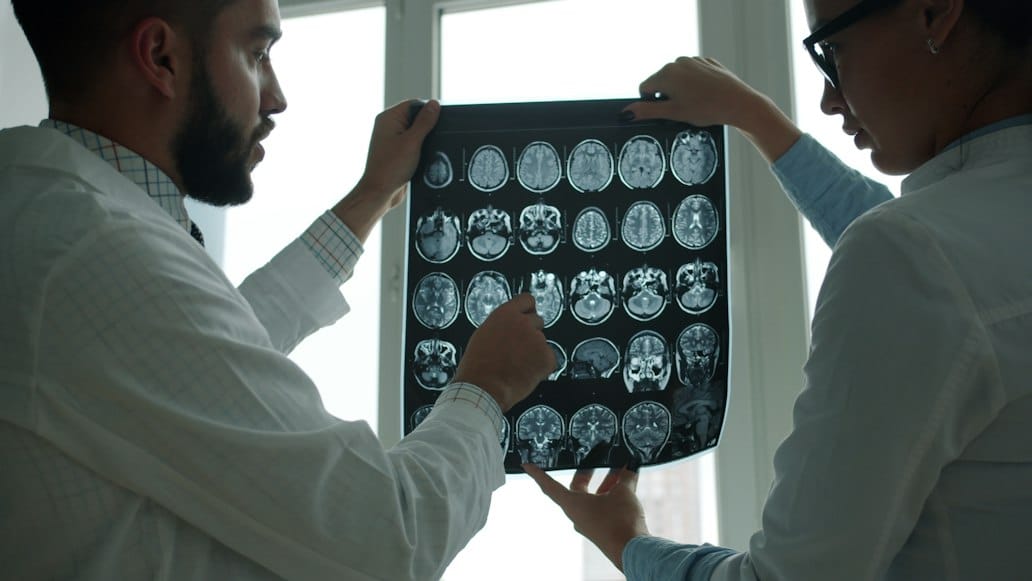
The amygdala detects potential threats and instantly triggers our survival responses. When someone has experienced trauma, this alarm system becomes hyper-sensitive. It begins sounding the alarm for everyday stressors, treating minor issues as major, life-threatening emergencies. The hippocampus is involved in memory and context, it helps us distinguish between experiences and the circumstances in which they have occurred, and the regions of the prefrontal cortex are involved in processes such as attention, decision-making and cognitive control, including the regulation of emotional responses. When trauma occurs, these three systems lose their ability to communicate effectively. The alarm goes off constantly, the brain struggles to recognize that the danger belongs to the past, and the logical mind finds itself overpowered by the body’s urge to survive.
But how does this actually look like in everyday life?
For some people, this heightened state of alertness does not end when the immediate danger is gone. Instead, being watchful can become part of how they move through everyday life. A child may constantly check a caregiver’s mood before asking for something. A teenager may carefully monitor how their friends are speaking to them, looking for signs that someone is upset or about to leave. An adult may feel uncomfortable when they cannot predict what is going to happen next. They may need to know where everyone is, what the plan is, or what someone’s tone of voice means. This can look like being controlling, suspicious, easily irritated or “too sensitive”. But when unpredictability has previously been associated with danger, predictability itself can begin to feel like safety.
This is also why seemingly small situations can produce surprisingly strong reactions. The person is not necessarily responding only to what is happening now. Their brain may be drawing on from previous experiences to decide how seriously they should take the situation.
The problem is that these responses become exhausting when carried into a safe environment. A child who learnt to watch every movement in the room may struggle to concentrate on a lesson. Someone who learnt to expect criticism may become defensive before anyone has actually criticised them. Someone who learnt that people can suddenly become unsafe may find it difficult to trust others, even when reassurance is genuine. The behaviour is no longer protecting them from the original danger. It may simply be the response that their nervous system has practised the most.
So, what happens when the response becomes automatic?
When a person experiences trauma repeatedly, their brain can begin to respond to certain situations as though the danger is happening again, even when the person is objectively safe. Over time, responses that were once necessary for protection can become more automatic. This happens because the brain is constantly trying to identify potential threats. The amygdala, which is involved in detecting emotional significance and threat, can become more sensitive to cues associated with previous experiences of danger. At the same time, the prefrontal cortex, which helps us pause, evaluate a situation and decide how to respond, may have less influence when the nervous system is highly activated.
As a result, a person may react before they have had the opportunity to consciously think through what is happening. A raised voice may trigger defensiveness. Silence may feel threatening. A change in someone’s tone may create anxiety. Conflict may lead to anger, withdrawal or an immediate urge to escape. These reactions are not necessarily deliberate choices; they can be learned protective responses that have become associated with particular cues.
This is also why the same situation can feel very different to different people. A situation that appears minor to one person may contain cues that the other person’s brain has learned to associate with danger, rejection or loss. This is one reason people who have experienced trauma may later say, “I knew I was safe, but I didn’t feel safe.”
But not everyone responds to trauma by becoming more reactive. It is natural to assume that a person will always become more visibly anxious, angry or fearful. But the nervous system has more than one way of responding to overwhelming situations or experiences. For instance, when a situation feels impossible to escape or cope with, the response is not to become more active but rather to reduce engagement altogether. Instead of fighting, fleeing or constantly watching for danger, a person may become quiet, detached or emotionally distant, for example withdrawing from friends or losing interest in activities you’ve once enjoyed or feeling numb, disconnected or as though one is simply going through the motions.
The difficulty in this is that these behaviours can look like indifference rather than distress. In some cases, this can also involve dissociation, a disruption in the usual sense of connection between a person’s thoughts, feelings, memories, sense of identity or surroundings. For a child, this might look like zoning out, detachment or being unusually distant, or emotionally disconnected from what is happening around them. This is why trauma-related behaviour cannot always be recognised by looking for more emotion. Sometimes, the most telling change is when a person starts showing far less than they did before. But it does mean that the absence of visible emotion should not automatically be mistaken for the absence of distress.
It might also lead to some behaviours becoming risky such as skipping school, substance use, running away, unsafe sexual behaviour, self-harm or other actions that provide a way of changing how they feel in the moment. These behaviours can be dangerous, and have serious consequences, and they should never be dismissed as meaningless or simply “acting out.” These behaviours may serve a short-term purpose such as providing distraction, relief, a sense of control, emotional release, or an escape from feeling overwhelmed or numb. Understanding this function matters as well. The behaviour still needs to be taken seriously, but understanding what it is doing for the person can tell us more than simply asking why they are doing it. Addressing that underlying need can be an important part of helping someone find safer ways to cope.
Trauma can also affect the mental processes needed for everyday learning and functioning. Prolonged stress can interfere with attention, working memory, planning, decision-making and other aspects of executive functioning. For children, this may make it harder to follow instructions, stay focused in class or complete schoolwork. Adolescents and adults may notice difficulties with organisation, remembering things or making decisions.
This does not mean that trauma makes someone less capable of learning. Rather, when the brain is repeatedly occupied with managing stress and detecting possible threats, fewer mental resources may be available for everything else. What looks like a problem with effort or motivation may therefore sometimes reflect the cognitive effects of carrying a heavy internal load.
Can trauma make us fall back into old patterns?
Trauma does not always lead to entirely new behaviours. Sometimes, it can bring back behaviours or ways of coping that a person had previously moved beyond. This is often described as regression.
In children, this may look like bedwetting after being toilet trained, becoming unusually clingy, developing separation anxiety, having more frequent tantrums, experiencing sleep disturbances or needing help with tasks they previously managed independently. A child may temporarily appear younger in their behaviour, particularly when they are overwhelmed or trying to regain a sense of safety.
Adults can experience something similar, although it may not look as obviously developmental. Someone who was previously independent may suddenly need more reassurance or support. They may become more dependent on others, have difficulty making decisions on their own, withdraw from responsibilities, or return to older coping patterns that they had previously stopped using.
In both children and adults, the underlying idea is similar, when a person becomes overwhelmed, they may temporarily rely on ways of coping that once provided a sense of safety or support. Regression does not necessarily mean that a person has permanently lost their abilities or “gone backwards.” It can be a response to being overwhelmed, and with safety, stability and appropriate support, people can regain their usual level of functioning.
So, what can actually help?
If these behaviours are responses to experiences that once felt unsafe, then simply demanding that they stop may not be enough. The aim is not to excuse harmful behaviour, but to help the person develop other ways of feeling safe, regulating emotions and responding to what happens around them.
There are a few things one can do when we notice changes in ourselves and others behaviour:
Start with safety: a person who has experienced trauma may respond better when their environment feels predictable and manageable. Consistent routines, clear communication and knowing what to expect can help reduce unnecessary uncertainty.
Listen before correcting: instead of immediately asking someone to explain or defend their behaviour, give them space to communicate what they are experiencing. Staying calm and avoiding shame or judgement can make it easier for them to talk about what is happening.
Look for patterns: pay attention to when the behaviour occurs, what seems to happen before it, and what happens afterwards. This can help identify triggers and understand whether the behaviour is serving a particular purpose.
Respond to the need, not only the behaviour: if someone is constantly seeking reassurance, they may need help developing a sense of safety. If they are withdrawing, they may need connection without pressure. If they are becoming overwhelmed by emotions, they may need support learning ways to regulate them. The response should address what the person needs rather than focusing only on making the behaviour disappear.
Set boundaries without using shame: understanding trauma does not mean allowing harmful behaviour. It is possible to acknowledge someone’s distress while still making it clear when a behaviour is unsafe or unacceptable. Boundaries can be communicated firmly without humiliating or frightening the person.
Know when to seek professional support: if behavioural changes persist, become more intense, interfere with school, work or relationships, or involve self-harm, substance use or other safety concerns, professional support may be important. A mental health professional can help the person understand their responses and develop safer ways of coping.
Most importantly, a person does not have to simply “get over” what happened. Patterns that were learned in response to danger can change when a person experiences enough safety, support and opportunity to develop new ways of responding. Sometimes, that change begins with something as simple as changing the question from “What is wrong with this person?” to “What might have happened, and what might they need now?”
REFERENCES
World Health Organization (WHO). (2026). Child maltreatment.
National Child Traumatic Stress Network (NCTSN). Complex Trauma: Effects.
National Child Traumatic Stress Network (NCTSN). (2003). Complex Trauma in Children and Adolescents.
Substance Abuse and Mental Health Services Administration (SAMHSA). (2026). Trauma and Violence: What Is Trauma and Its Effects?
Substance Abuse and Mental Health Services Administration (SAMHSA). (2026). Trauma-Informed Approaches and Programs.
World Health Organization. (2019). WHO Guidelines for the health sector response to child maltreatment.
Centers for Disease Control and Prevention (CDC). (2026). About Adverse Childhood Experiences.
World Health Organization. (2026, September 11). Post-traumatic stress disorder.
Center for Substance Abuse Treatment. (2014). Understanding the impact of trauma. In Trauma-informed care in behavioral health services (Treatment Improvement Protocol Series 57). Substance Abuse and Mental Health Services Administration.
Teicher, M. H., Samson, J. A., Anderson, C. M., & Ohashi, K. (2016). The effects of childhood maltreatment on brain structure, function and connectivity. Nature Reviews Neuroscience, 17(10), 652–666.
Höfels, S., Frost, E., Prestwich, A., & O’Connor, D. B. (2026). Effects of childhood trauma on executive function, impulsivity, rumination and worry: An umbrella review. Neuroscience & Biobehavioral Reviews, 188, 106818.
Article by: Anita Antony
Date: 21-10-2026