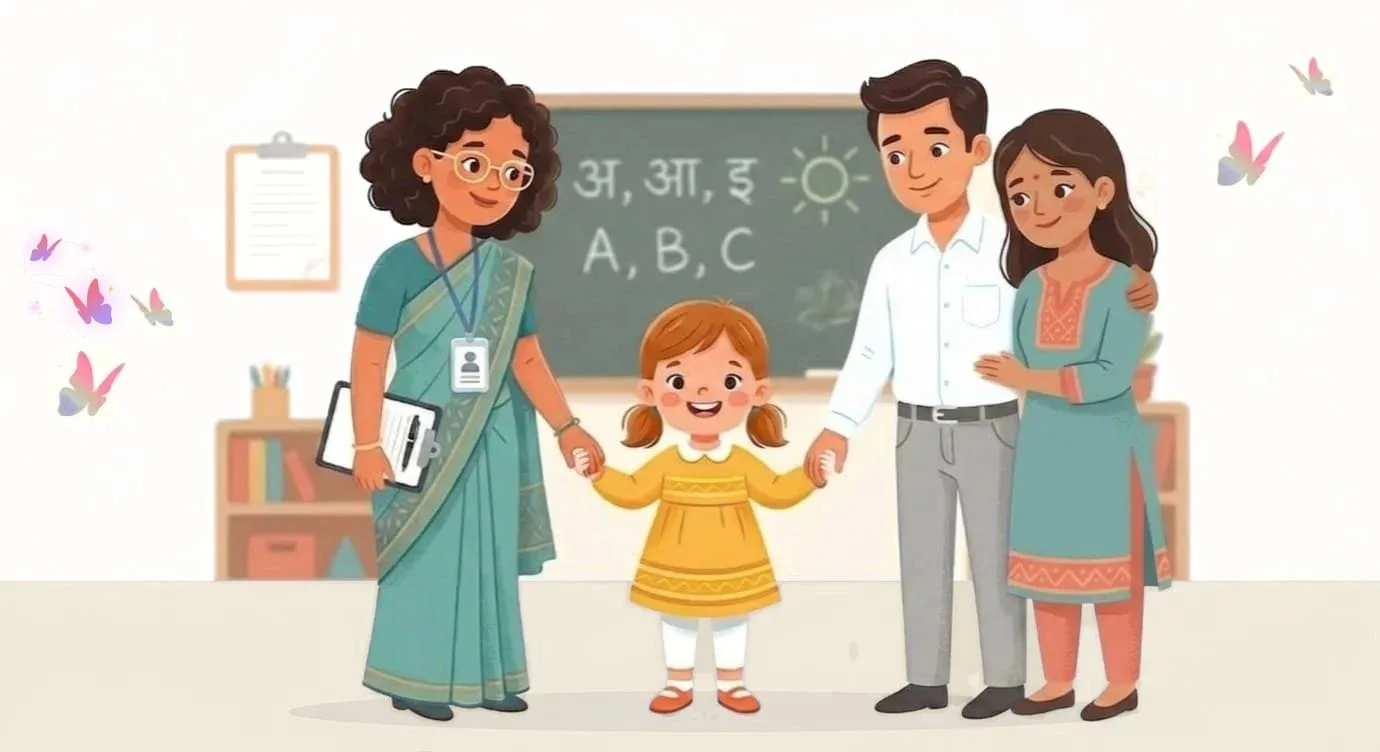
“Who is really responsible for keeping our children safe?”
The obvious answer is of course, parents, but in reality, once a child steps through the school gates, the responsibility is shared.
Children do not just learn alphabets and math equations at school. They learn how to navigate friendships, deal with failure, speak up for what they believe in, and build the foundation for their future self. Furthermore, they spend a significant portion of their lives there, often more waking hours than they do at home.
Hence, it would be good for parents and teachers to work hand-in-hand in safeguarding a child’s well-being. They must act as a united front, rather than two opposing teams. When they come together, they could create a powerful safety net of trust, support, and guidance.
In today’s world, where parental involvement can sometimes turn into micromanagement and where teachers are increasingly scrutinized, this partnership is getting strained.
So, the question that arises is: “How do we rebuild the trust?” “How do we support each other and the child, without stepping on each other’s toes?”
Safeguarding children goes beyond just ensuring their physical safety. It is about creating an environment where they feel emotionally secure, socially respected, and supported in their growth. Parents are a child’s first and most important caregivers. But once a child begins their journey in school, teachers also step into the role of protectors and guides.
Teachers were held in reverence, for their words carried weight, and their authority was rarely questioned in the past. Today, however, with many parents more actively involved in their child’s education and well-being, this involvement sometimes tends to interfere with the disciplining of the child at school because of which the problems are not resolved amicably, with either parent and teacher putting each other down.
Instead of creating friction, it is important for both sides to engage in open, respectful conversation. Teachers observe the student’s behavioural pattern every day and sometimes they could pick up issues that might go unnoticed at home. Parents, on the other hand, know their child well and bring invaluable context. It is important that the parents stand up for their children if they know they are in the right, but it is also important that it is not done in a defensive or accusing way which could make the teacher take offence. Being gentle while conveying issues in a respectful manner can bring better results than when reacting in anger. So, when both perspectives come together, the result is a well-rounded understanding of what the child needs and helps in keeping the child safe.
These are some ways both parents and teachers can work together:
- Practice Open and Honest Communication
Maintain a regular, respectful conversation between school and home. Voice out concerns, but also listen. The focus should be on “what is best for the child”, without putting anyone down.
- Understand Problem Ownership
Ask: “Who has the problem?” Sometimes it is the child, sometimes it is the parent, and sometimes it is the teacher. Identifying the problem and taking responsibility for it allows to create better solutions instead of pointing fingers at each other.
- Be Attuned to Emotional Well-being
Children need to feel heard. Validate their emotions, let them know it is okay to feel anxious, upset, or confused and give them the reassurance that you are always there for them, without judgement and that they can always confide in you.
- Model Healthy Behaviour
Children learn by observing. Apologize when you are wrong. Treat others, especially teachers, caregivers, and other adults with respect. Avoid negative comments about school or staff in front of your child.
- Teach Boundaries and Respect
Teach your child to say “No” and to respect others’ boundaries too. This helps build emotional resilience and confidence; two qualities vital for navigating life.
Building Resilience in Children
Additionally, in an attempt to protect children from discomfort, many parents unintentionally shield them from opportunities to grow. It is these experiences which help the child face minor failures and setbacks, which results in effective problem solving and decision-making skills.
Let your child:
- Hear “No” without resentment
- Solve age-appropriate problems on their own
- Experience disappointment without being “rescued” every time
- Let them make mistakes and learn from them
- Help with small responsibilities and tasks at home
These experiences will help in building grit, independence, emotional maturity, and many other skills that will help serve them well throughout in life.
Just as children need space to grow through real-life challenges, they also need guidance to navigate digital ones.
Before social media shapes your child’s thinking, you must set the groundwork. Teach them values like empathy, kindness, and digital responsibility, not just by saying it but also by modelling it. Set clear boundaries around screen time, online etiquette, and the content they are exposed to. Open conversations about online safety, peer pressure, and identity. These small daily or weekly check-ins can go a long way, not only in keeping them safe but also in protecting their mental health and shaping their sense of self, before the internet does it for them.
Seeking Support
Sometimes, issues at home or school may require the support of a trained professional. Whether it is academic stress, frequent behavioural outbursts, anxiety, low self-esteem, or mood changes, these behaviours indicate that there is a need to involve a trained professional if they are not opening up to you. It is important to understand that these signs are not just “phases they are going through”, but they are cues that the child might need extra support, and there is nothing wrong with it. Early intervention can prevent small issues from becoming long-term struggles. Professionals like school counsellors, child psychologists, and therapists are trained to understand and address these concerns with care, confidentiality, and expertise.
Seeking help whether for personal, emotional, academic, or professional challenges does not indicate failure, instead it is a sign of strength, responsibility and self-awareness. It models that asking for help is healthy and normal, and that there should be no shame or stigma attached to it, but only respect, because it takes courage to reach out.
Just like how seeking help is important, it is equally essential to make sure your child feels emotionally seen, heard, respected and loved. Even a few minutes of undistracted attention every day can make a big difference. Give them space to talk, express, and ask questions however difficult or awkward it may be. Open communication builds trust.
Emotional safety does not stop at home, to truly support a child’s well-being, both parents and teachers should work together, they should create a circle of safety for the child. It is not always easy. There will be disagreements and frustrations. But if we keep the child at the centre of every conversation, the path becomes clearer and easier. Work as a team since we all want the best for the child. Do not let egos come in the way.
We must also remember that children learn from what they see and hear. They do not just listen to what we say, they observe how we treat others, how we handle frustration, and how we show up for the people we care about. It is our actions which lay the blueprint for theirs.
Let’s teach our children:
- To respect others, regardless of their status.
- To value kindness and fairness.
- To stand up for themselves, and for others.
- To understand right from wrong, before the internet tells them otherwise.
- That it is okay to be imperfect, as long as we are learning and growing.
- To accept a no, and to accept failures along with success as life’s pathways.
- The world is a beautiful place; stay aware and empowered about staying safe.
- To learn to trust and explore while keeping boundaries.
Because in the end, children do not just need protection. They need partnership, guidance, and love from all the adults in their lives.
Article By
Anita Antony, Nandini Mundanat, Anjali Vinayakumar, Reena Sabin, and Mary George
Date: 28/03/2026